AXOS Journal
News
Simple gut-health education, product guidance, and routine support from the IBDassist team.
What is Hashimoto's Disease?

Hashimoto's disease, also known as Hashimoto's thyroiditis, is an autoimmune disorder in which the immune system attacks the thyroid gland, leading to inflammation and damage to the thyroid tissue. This can ultimately result in an underactive thyroid gland (hypothyroidism), which means the thyroid gland is not producing enough hormones for the body's needs.
Hashimoto's disease is the most common cause of hypothyroidism in the United States, especially in women over the age of 60. The exact cause of Hashimoto's disease is not known, but it is believed to be a combination of genetic and environmental factors.
Symptoms of Hashimoto's disease can be vague and may develop slowly over time. They can include fatigue, weight gain, constipation, dry skin, sensitivity to cold, joint and muscle pain, depression, and difficulty concentrating. If left untreated, Hashimoto's disease can lead to serious complications such as heart problems, goiter, and myxedema coma.
Hashimoto's disease can be diagnosed through blood tests to check thyroid hormone levels and antibodies, as well as a physical exam and medical history review. Treatment typically involves taking thyroid hormone replacement medication to bring thyroid hormone levels back to normal. Regular monitoring by a healthcare provider is necessary to ensure that the medication dosage is appropriate and to monitor for any potential complications.

IBD vs. IBS
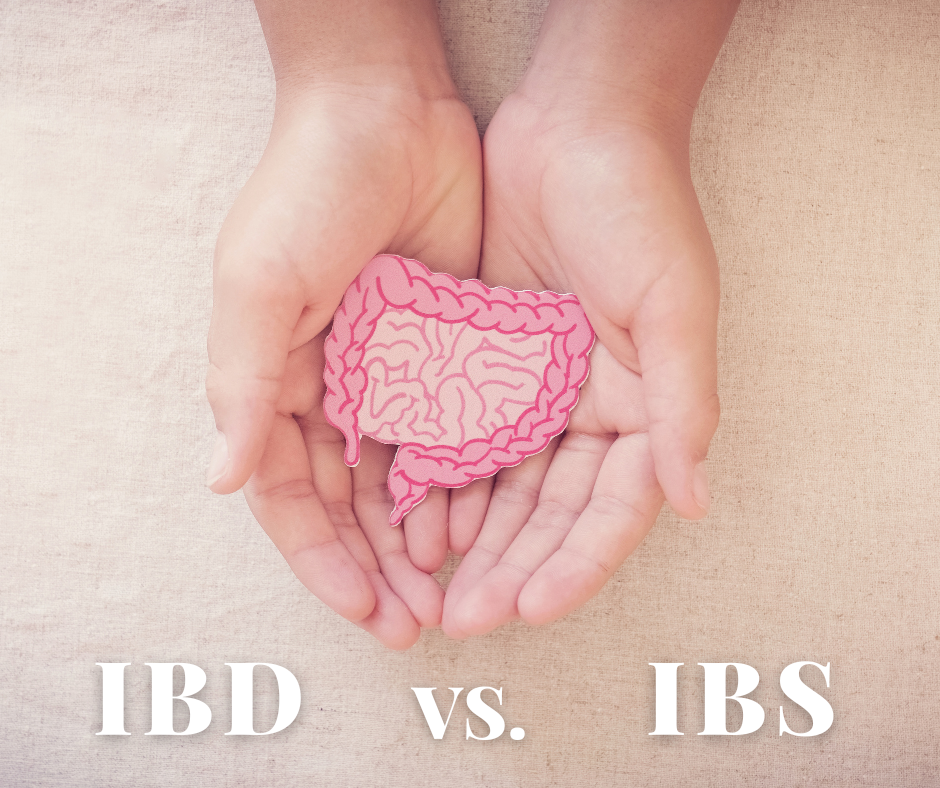
The main difference between IBD (Inflammatory Bowel Disease) and IBS (Irritable Bowel Syndrome) is that IBD involves inflammation of the gastrointestinal tract, while IBS does not.
IBD is a group of chronic diseases that cause inflammation in the digestive tract, including Crohn's disease and ulcerative colitis. These conditions involve inflammation and damage to the lining of the digestive tract, which can cause symptoms such as abdominal pain, diarrhea, weight loss, and fatigue. IBD is diagnosed using a combination of medical tests, including blood tests, imaging studies, and endoscopy.
IBS, on the other hand, is a functional gastrointestinal disorder that is characterized by a group of symptoms that occur together, such as abdominal pain, bloating, and changes in bowel habits, but without any evidence of inflammation or tissue damage. IBS is diagnosed based on a patient's symptoms, and there is no specific test for it.
In summary, while both IBD and IBS can cause gastrointestinal symptoms, IBD involves inflammation of the digestive tract, while IBS does not. It's important to consult with a healthcare professional to determine the appropriate diagnosis and treatment for your specific symptoms.
3 Tips for Dating Someone with IBD

Relationships are such a vital aspect of life. Relationships can help humans live longer and happier lives, but one thing to note is that relationships are never easy. It takes time and effort. Although relationships are not easy, here are some tips that might help the process. Specifically looking at being in a relationship with someone who has inflammatory bowel disease (IBD), being that strong support for them can make all the difference in their journey.

What Should I Eat with Crohn's and Colitis?

When you have Crohn's disease or ulcerative colitis, it might be difficult to know what meals will best nourish your body. With inflammatory bowel disease (IBD), diet and nutrition are extremely important, but there is no one-size-fits-all solution.

Malnutrition and IBDs

Crohn’s disease and ulcerative colitis can impact your body’s ability to properly digest food and absorb nutrients, which may lead to serious vitamin deficiencies and malnutrition.

Inside Pete Davidson's Life With Crohn's

The "Saturday Night Live" actor was diagnosed with Crohn's disease when he was 17 years old. Like many other people with Crohn's, Davidson found it difficult to eat enough food to keep up his weight and energy levels. “There was a point where I couldn't get out of bed. I was 110 pounds,” Davidson told People magazine.
How to Actually Advocate For Yourself with IBD and Why It’s So Damn Important

I learned early on in my time spent at doctors offices that speaking up and standing up for myself was critical if I ever wanted answers to my ongoing health issues. I had to learn how to demand doctors do certain tests (that I only knew about because I did my own damn research) even if they told me no. I had to learn how to push back, ask more questions and not settle for no as an answer.

Life with an Ostomy: Hacks to Living with Your New Stoma

I can’t believe it’s almost been ten years since I woke up in a hospital bed with an ileostomy bag – a day I will never forget. After battling Crohn’s Disease for nearly half of my life, the ostomy bag initially came with a major shock-factor, (this was done via emergency surgery), but with a few years’ experience, some trial and error, and the freedom the bag gave me to start living my life, I began to love my new body. I’ve rounded up a few of my most helpful tips and learnings from life with an ostomy, to help new ostomates adjust to their bags.

Movement with IBD

Let me start by saying that I have done everything wrong in terms of exercising with my diagnosis. I was diagnosed with Ulcerative Colitis in 2008, when I was 19 years old. I have always been active before and after my diagnosis, and always felt like I needed to go to the extreme of everything I do. I ran a marathon in the middle of a flare-up out of stubbornness. Then dove headfirst into Crossfit 5 times a week with minimal rest days, causing multiple flare-ups.
